
Other Spellings / Synonyms : Achik, Garrow, Mande
Religion : The majority of Garo people follow Christianity. There are a large number of Baptists and Roman Catholics. A small number of Garos are Seventh-day Adventists, Anglicans and others belong to some new denominations. There were very few Garos who still follow their traditional Animist-Hindu beliefs.
Language : Garo and its dialects A'beng (Abengya, Am'beng), A'chick (A'chik), A'we, Chisak, Dacca, Ganching, Kamrup, Matchi
Regional Spread : Garos are mainly distributed over the Kamrup, Goalpara and Karbi Anglong districts of Assam and Garo Hills in Meghalaya. A substantial number of Garos are found in Mymensingh district of Bangladesh.
Population : 575,000 in India. Total Population (including Bangladesh) 650,000
Traditional Occupation : Agriculture. Today, many educated young people are taking up other types of work, either with Government or in business undertakings.
Food Habits : Staple cereal food of Garos is rice. They also eat millet, maize, tapioca, bamboo shoots etc. Garos are very liberal in their food habits. They relish meat of goats, pigs, fowls, ducks etc. They also eat other wild animal like deer, bison, wild pigs etc. Fish, prawns, crabs, eels and dry fish are also a part of their food. Country liquor plays an important role in the life of the Garos.
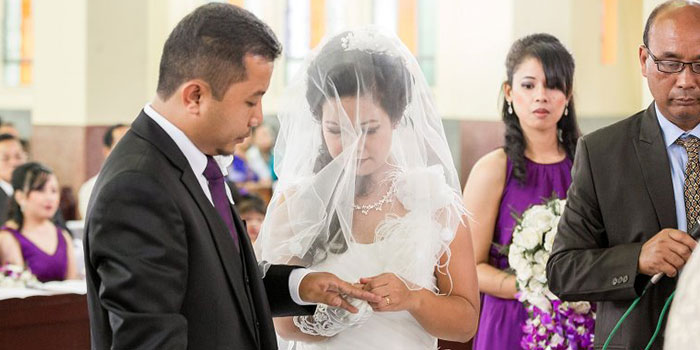
Marriage Preference : Marriage traditions in Garos differs from place to place. In Garo customs it is the girls who propose a match to boys. The Garo marriage is regulated by two important laws, viz., Exogamy and A-kim under which marriages are not allowed within the same clan.
The Garos are a tribe in Meghalaya, India, and Mymensingh, Bangladesh, who call themselves Achik. They are the second-largest tribe in Meghalaya after the Khasi and comprise about a third of the local population. The earliest written records about the Garo date back to 1800. The Garo had the reputation of being headhunters.
The Garos are one of the few remaining matrilineal societies in the world. The individuals take their clan titles from their mothers. The youngest daughter or 'Nokrom' inherits the property from her mother. The male offspring leave the parents house at puberty and are trained in a common village Bachelor dormitory called a nokpante. After getting married the man lives in his wife's house.Other Indo-Aryans - Rajputs, Punjabis, Kashmiris, Seraikis, Hindko