
Other Spellings / Synonyms : Goan (English), Goenkar (Konkani), Govekar (Marathi), Go's (for male in Portugese) or Goesa (for female in Portuguese)
Religion : Hindu (majority), Christians, Muslims
Language : Konkani written in Devanagri script is the main language of Goans. Other languages spoken by Goans include Marathi, Kannada and Urdu. Gujarati and Hindi is also spoken by large number of Goans.
Regional Spread : Goa in India. A large number of Goans have migrated to foreign countries.
Traditional Occupation : Mining, agriculture. A large number of people are also engaged in tourism business. Many Goans work as musicians and cooks in restaurants and hotels across the country and abroad.
Population : 1.344 million approximately
Food Habits : Goans are known for their love for food and feni. One can see a blend of various cultures in Goan cuisine. Pork, prawns and sea food from Goa is world famous. Rice, fish and coconut form an integral part of Goan cuisine. Influenced by Portugese food habits, people of Goa make liberal use of cashew nuts and chillies. Vegetarian food from Goa is not so popular. Mostly it is steam cooked and is not at all spicy. Hindu and Christian community in Goa follow different styles of cooking
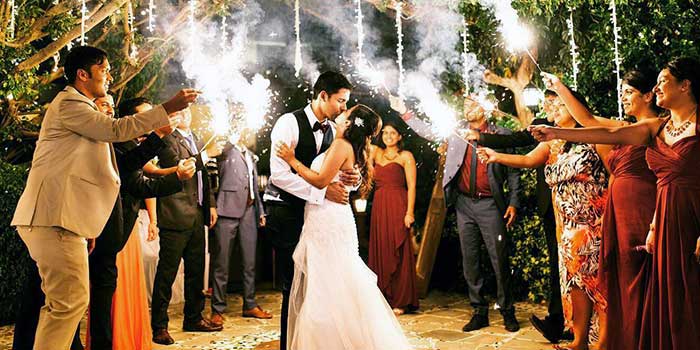
Marriage Preference : Goans seek matrimonial alliances in their own caste and community. Wedding traditions in Goa varies for Hindus, Muslims and Christians.
Famous Personalities
Goa has a long history of invasions and acquisitions. During 3rd century BC Goa was part of the Mauryan Empire. It was later ruled by the Satavahanas of Kolhapur (in Maharashtra). Goa eventually passed to the Chalukyas of Badami, who controlled it between 580 to 750. Over the next few centuries Goa was successively ruled by the Silharas, the Kadambas and the Chalukyans of Kalyani, rulers of Deccan India. In 1312, it came under the governance of the Delhi Sultanate. Goa became a Portuguese colony in 1510. Goa remained under Portuguese command for about 450 years. In 1961, Goa became a union territory and in 1987, Goa became the 25th state of India.
The warm and friendly people of Goa like to be called Goans and not Goanese. The Goans are known to live their life in style and at a leisurely pace. Music and dance is said to be in the blood of people of Goa and an integral part of their feasts and festivals. Goans are peace loving and show a high degree of tolerance towards each other's religious beliefs.