
Haryali Teej : 11th August 2021
Kajari Teej : 9th August 2021
Hartalika Teej : 25th September 2021
Teej is a popular festival in India celebrated by the Hindus in the month of Shravan (as per Hindu Calendar). Teej is primarily celebrated in Rajasthan, Punjab, Bihar and Uttar Pradesh and celebrates the arrival of monsoon after a long drawn out summer season.
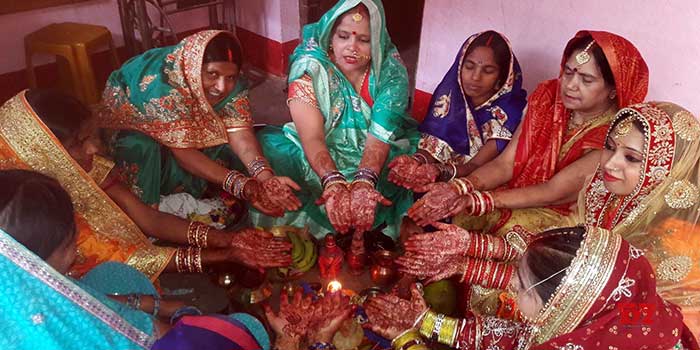
Teej is a popular festival in India celebrated by the Hindus in the month of Shravan (as per Hindu Calendar). Teej is primarily celebrated in Rajasthan, Punjab, Bihar and Uttar Pradesh and celebrates the arrival of monsoon after a long drawn out summer season. It is also said that Teej is a reunion festival dedicated to the re-union of Lord Shiva and Goddess Parvati. On the actual day of Teej married women pray to Goddess Parvati for the well being of their husbands. Fasting, colorful costumes, religious processions, song and dance are all striking features of the Teej festival in India. The religious procession associated with the festival of Teej are some of the most colorful and vibrant demonstrations of the Teej festival in India.
Teej festival comes on the Hindu month of Shravan (July-August) and also in early September. In 2013, the festival of Teej will be observed from July to August. The Haryali Teej is on 2nd August, 2013, Kajari Teej is on August 16th, 2013. The dates of celebrating the festival change every year according to the arrival of the monsoon.
Haryali Teej is celebrated on the beginning of Monsoon season. Haryali means greenery, so Haryali Teej is associated with good harvest and prosperity. On this day women dress up in green coloured clothes. They worship the Moon, Lord Krishna and Goddess Radha.
Kajari Teej is celebrated on third day of the dark half (Krishna Paksha) of Shravan month in Hindu Calendar. On this day women gather to sing devotional songs and worship neem tree. Special procession is also organised to worship the beautifully decorated idol of Goddess Parvati.
This form of Teej is the most important Occasions during entire Teej festival celebrations. Hartalika Teej lasts for three days and women observe a fast on the second day that is called Nirjara Fast meaning 'fast without water'. Hartalika Teej fast is observed with great devotion for the long life and prosperity of Husbands.
The Spirit of Teej symbolises "ideal marriage" highlighting the legend of Goddess Parvati uniting with Lord Shiva after a penance of over hundred years. It is believed that Parvati's blessings lead to marital bliss.
Women undergo fast, sing folk songs and dance to express love for Goddess Parvati. It is a belief that fasting unmarried women will luckily find a suitable husband. Fasting married women would find bond of love with their husbands strengthened.
Idols of Goddess Paravati bedecked with new clothes, jewellery are worshiped. After a ceremonial worship at home, elephants, camels and horses are taken out in a ceremonial process.
During Teej, swing ropes on the courtyards decorated with flowers are a common sight. Newly married girls return to their parents home, receiving clothes from their parents and other male kins. Rural women buy bangles, bindis, bead-necklaces and consume mouth-watering dishes. Celebration includes games such as turban-tying and bangle wearing competition.
Teej festival holds a significant place in the religious, cultural, social and climatic life of Indians. It commemorates the holy reunion of Goddes Parvati with her husband Lord Shiva. Teej is celebrated to welcome the Monsoon season and is celebrated with lots of enthusiasm and deep devotion. Teej festival also provides strength to the bond of marital life.
Teej Fair is organized in the state of Rajasthan to celebrate Teej as a community festival. The popular "Sawan Mela" is organized every year in the months of July-August. This fair is a grand showcase of Indian traditions and customs. Top attractions of Teej Fair include :