
Makar Sankranti is celebrated all across the country with great zeal, vigor and fervor. India being such a diverse country, all states celebrate this festival in their own individual style, tradition and culture.
The Tribals in our country mark this occasion by lighting bonfires and dancing around it. They all make their particular extravagant dishes and eat it together. The Bhuya tribals of Orissa have their Maghyatra wherein they put up small homemade articles for sale.
In Uttar Pradesh, Makar Sankranti is known as "Khicheri.". Everybody bathes in the holy waters of Ganga, Jamuna and Saraswati at Prayagraj. It is believed to be auspicious to take a holy dip in these waters.
In Bengal, It is a mythology that River Ganga had flown in to the Northern region and purified the ashes of the sixty thousand ancestors of King Bhagirath. This mela is attendeda by a large number of pilgrims from East India.
In the south, Makar Sankranti is known Pongal and it is the harvest festival of this region. Rice and pulses cooked together in ghee and milk is offered to the family deity after the ritual worship. Verybody is dressed in colourful tunics visit friends and relatives and exchange pieces of sugarcane, a mixture of fried til, molasses, pieces of dry coconut, peanuts and fried gram. The significance of this exchange is that sweetness should prevail in all the dealings.
January is the coldest month in Punjab and hence during Makar Sankranti, the advent of the new year is celebrated by lighting a bonfire, popularly known as "lohri" and "maghi". The bonfire signifies the burning away of all evils for a bright and auspicious new year.
In Maharashtra, people exchange sweets and greet each other with a thought - "accept these sweets and speak sweet words". The main reason for exchanging sweets like til guhas and til polis are to forgt any past hard and harsh feelings and to start afresh!!!
Makar Sankranti in the central region of India, madhya pradesh and Bundelkhand is known as 'SUKARAT' or "SAKARAT". It is celebrated with great pomp, color and joy.
In Gujarat, this day is celebrated by people giving gifts to their relatives. The Gujarati Pundits on this auspicious day grant scholarships to students for higher studies in astrology and philosophy. This festival thus help the maintenance of social relationships within the family, caste and community.
Like every festival in India, Makar sankranti is also associated with tasty and delicious dishes. Most of these traditional Indian dishes use either rice or sesame seeds as primary ingredients. The makar sankranti recipes are easy and quick to make and can be relished by one and all.
Makar Sankranti is celebrated with fervour all over India though in different names and forms. It is considered as the most auspicious day by the Hindus.
The Makar Sankranti festival marks the day when the sun begins its northward journey and enters the sign of Makar (the Capricorn) from the Tropic of Cancer. In other words, the sun moves from Dakshinayana (south) to Uttarayana (north). The day falls on the 14th of January every year according to the Solar Calendar.
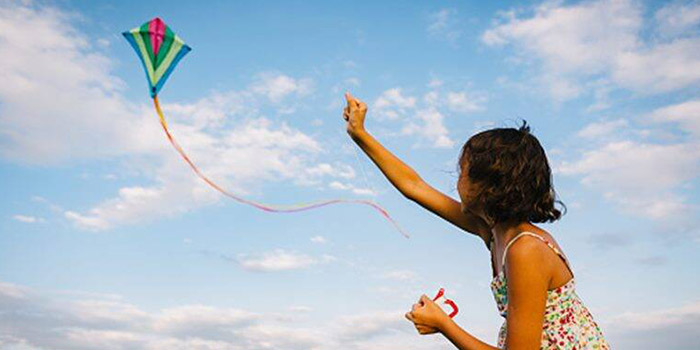
On this day people take a holy dip at Prayag and Ganga Sagar and worship Sun. The tradition of kite flying adds zeal to the festival.
Makar Sankranti festival holds special significance according to the solar calendar as the day and night are of exactly equal duration on this day. For the people of northern hemisphere, the northward path of the sun marks the period when the sun is getting closer to them. This signifies that the days will get longer and warmer after Makar Sankranti.
The importance of the day was noted even by the Aryans who celebrated the auspicious day as a festival. Also, an episode from the great epic Mahabharata shows that people in early times marked the day as auspicious. Warrior-hero Bhishma Pitamah even after being wounded in the Mahabharata war lingered on till Uttarayan set in. Death on this day is set to bring Moksha or salvation for the deceased.
The festival of Makar Sankranti is highly regarded by the Hindus from North to down South. The day is known by various names and a variety of traditions are witnessed as one explores the festival in different states.
In Uttar Pradesh, Sankrant is called 'Khichiri'. Taking a dip at the confluence of Ganga, Yamuna and the mythical Saraswati at Sangam, Allahabad is considered auspicious on the day.
In Punjab, the eve of Makar Sankranti is celebrated as 'Lohri' in which bonfires are lit and people make merry. The following day, which is Sankrant is celebrated as 'Maghi'. The Punjabi's dance their famous Bhangra dance till they get exhausted.
In Bundelkhand and Madhya Pradesh the festival is known as 'Sukarat' or 'Sakarat' and is celebrated with great pomp merriment accompanied by lot of sweets.
While in Bengal, a big fair is held at Ganga Sagar where the river Ganga enters the sea.
In Gujarat, there is a custom of giving gifts to relatives. The Gujarati Pundits on this auspicious day grant scholarships to students for higher studies in astrology and philosophy. Kite flying is also associated with this festival in a big way and has become an internationally well-known event.
In Maharashtra, there is a custom to exchange a sweet preparation called 'til-polis' as a token of love. Besides, married women are invited for a get-together called, 'Haldi-Kumkoo' and given gifts of any utensil, purchased by the woman of the house.
Down South, Sankranti festival is known by the name of 'Pongal'. The festival gets its name from the surging of rice boiled in a pot of milk. It is very popular particularly amongst farmers. On this day, people worship the Sun.
It is also a big event for the Tamils and the people of Andhra Pradesh. The Telugus call makar sankranti as 'Pedda Panduga', meaning, 'big festival'. The event is celebrated for four days. The first day is called 'Bhogi', the second day, 'Sankranti', the third day, 'Kanuma' and the fourth day, 'Mukkanuma'.