
Pesach or Passover is a Jewish festival celebrated to commemorate the liberation of the ancient Israelites from 400 years of slavery in Egypt, approximately 3000 years ago.
Pesach starts on the sunset of April 19 to sunset of 26 April / 27 April
The name "Passover" refers to the fact that G-d "passed over" the houses of the Jews. In Hebrew, passover is known as "Pesach". Since the days of the Second Temple, Passover had become a major pilgrimage festival. Traditionally, Jews converged on Jerusalem to mark the beginning of the agricultural year.
Pesach is the first of the three major festivals with both historical and agricultural significance (the other two are Shavu'ot and Sukkot). The day of Pesach commemorates the departure of the nation of Israel from Egypt. Pesach marks the birth of the Jewish people as a nation led by Moses over 3000 years ago. Since then, the holiday has come to represent the universal value of freedom.
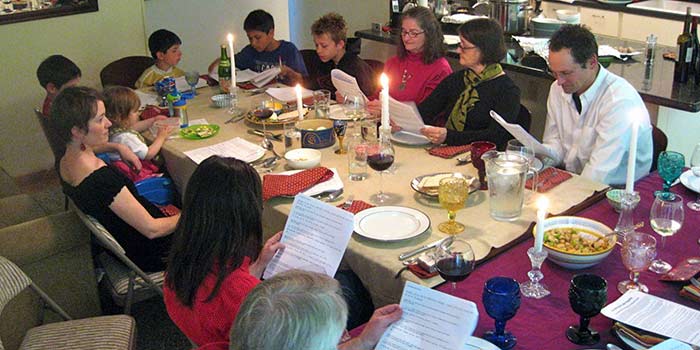
It is the holiday where family and friends gather around the seder table to celebrate.However, celebration of Pesach is of attaining spiritual freedom as the physical liberation from slavery.
Festival of Pesach highlights the observance of the Seder, a unique ceremony performed on the first two evenings of Passover. On the ocassion of Seder, people eat different special foods, and tell the story of departure from Egypt, sing songs and praises, and say special prayers.
Most significant observance related to Passover is the removal of chametz (leaven) from our homes. This signifies the fact that the Jews leaving Egypt were in a hurry, and did not have time to let their bread rise. Also a symbolic way of removing the "puffiness" (arrogance, pride) from our souls.
Passover or pesach is also known as also Chag he-Aviv (the Spring Festival), Chag ha-Matzoth (the Festival of Matzahs), and Zeman Herutenu (the Time of Our Freedom).